by | | Nature & cosmos
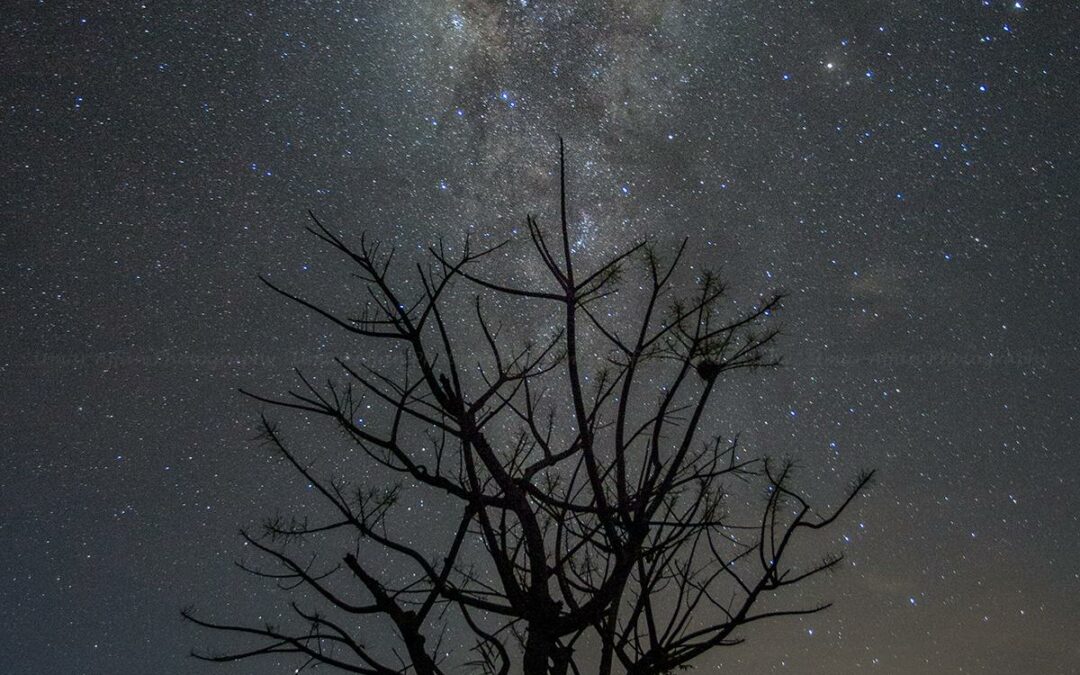
To touch the paradox is to approach the mystery. The tree is the ultimate symbol, from which psychology and the human psyche can draw meaning and an image of its feelings and reality. The tree is the image of humanity: from its growth, differentiation and separation...

by | | Nature & cosmos
Candlemas (Candlemas) is an ancient pagan and Latin festival, which later became a Catholic religious festival corresponding to the Presentation of Jesus at the Temple. Nowadays, we traditionally eat pancakes in a festive atmosphere on Candlemas Day. This festival...
by | | Nature & cosmos
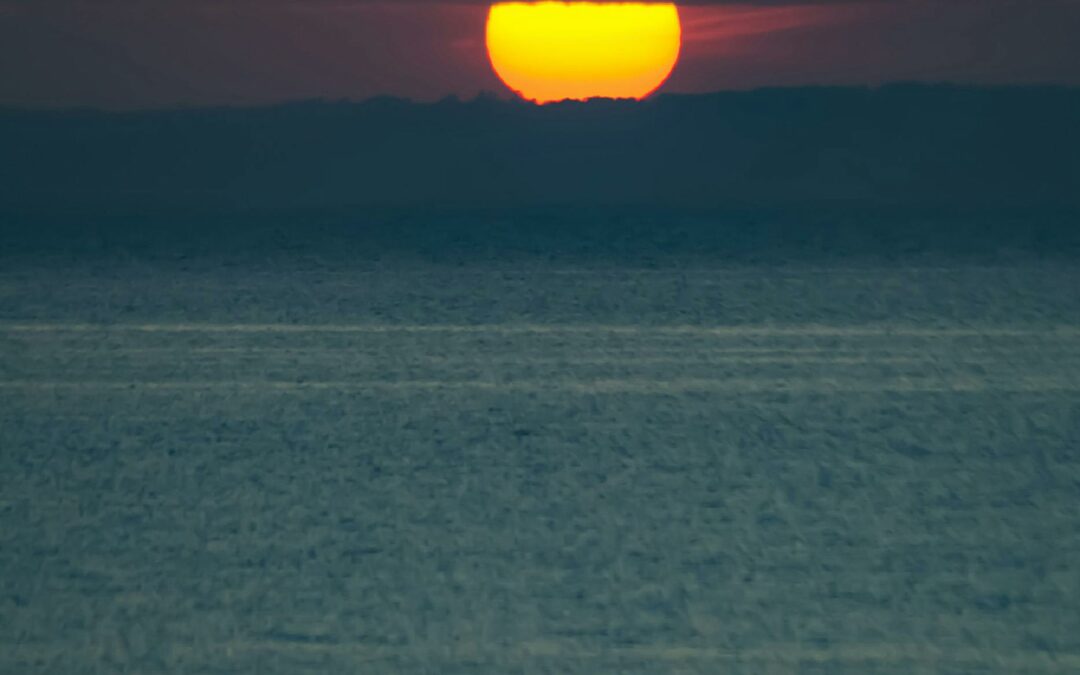
The winter solstice occurs on December 21 or 22. The apparent position of the sun reaches its greatest inclination relative to the celestial equator. This day is the shortest of the year, so the night is the longest. For 2 or 3 days, at the astronomical level, the...
by | | Nature & cosmos
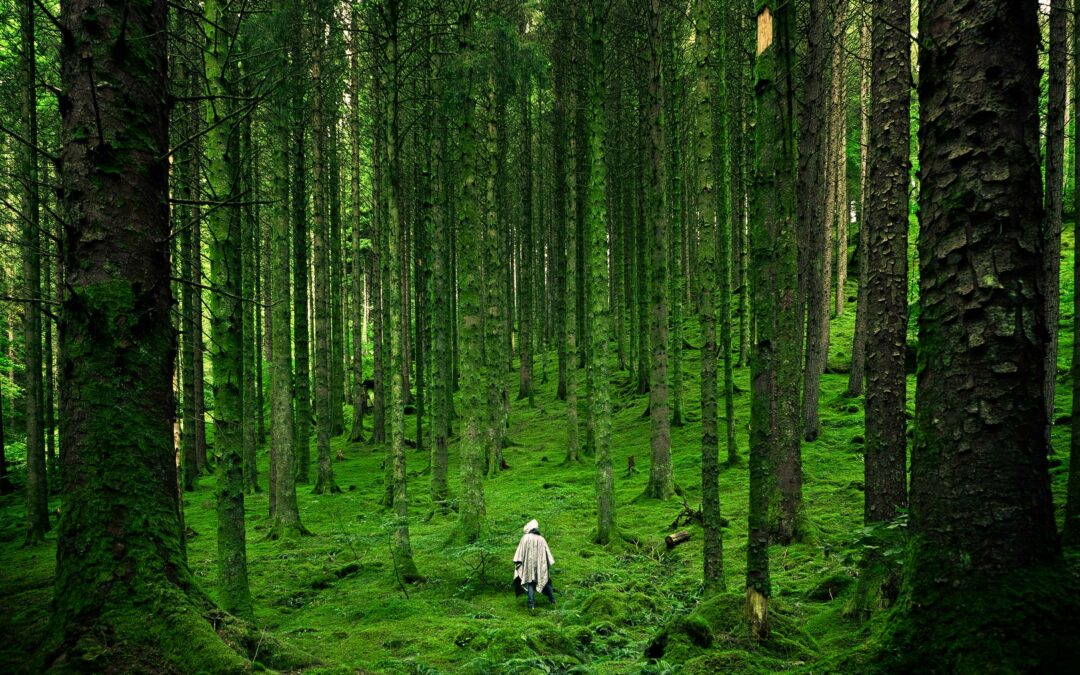
Definitions from Wikipedia: Pantheism: Pantheism is a naturalism of the divinity of Nature. Panentheism: Panentheism is a belief system that posits that the divine exists and interpenetrates all parts of nature, but at the same time extends beyond it. We distinguish...
by | | Nature & cosmos
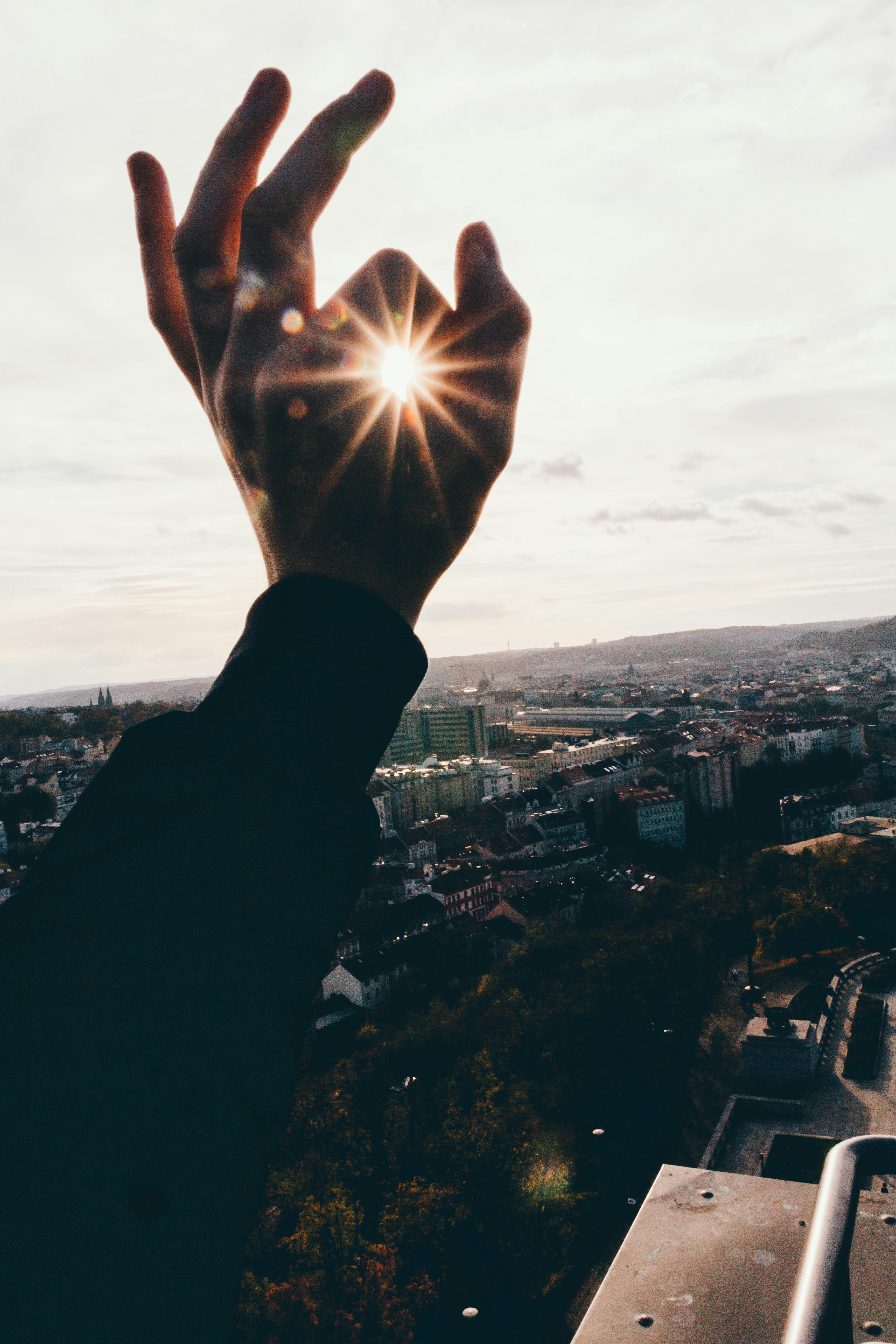
The summer solstice corresponds to the time of the year when the Sun rises highest in the sky and illuminates one of the two hemispheres for a maximum duration: it is therefore the longest day of the year. In the northern hemisphere, it occurs on June 21 or 22; in the...
by | | Nature & cosmos
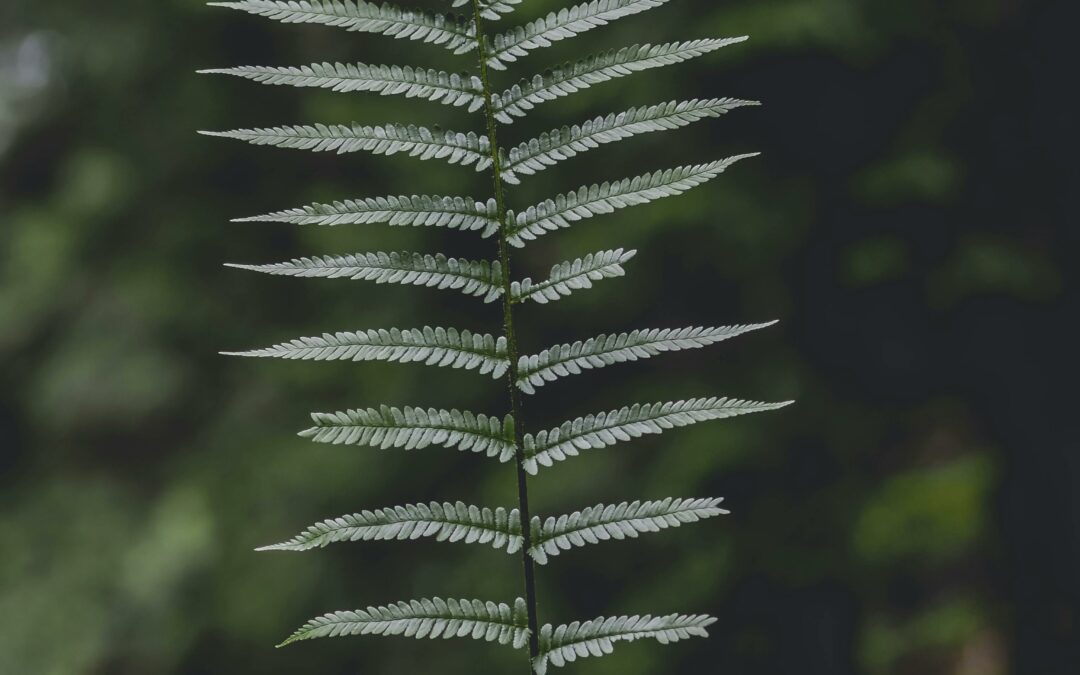
The visible world of nature is the only clue available to man to understand the invisible world. Behind and through this living visible world lies the other world of invisible reality. Visible things are the only lenses through which aspects and characteristics of...
←